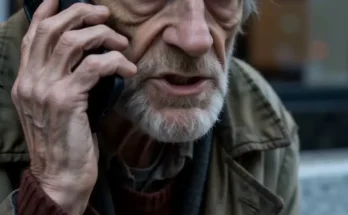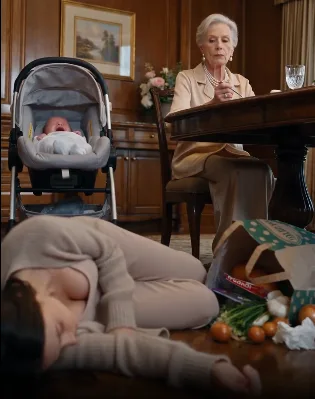
Colin testified first.
“Did you cancel the night nurse?”
“Yes.”
“Did Alessandra ask?”
“No.”
“Housekeeper?”
“Yes.”
“Meal service?”
“Yes.”
“Did Alessandra ask?”
“No.”
“Why tell providers she did?”
Colin looked down.
“Because they were arrangements from her father and I thought if I said I wanted them canceled, they would call Giorgio.”
“So you used her name?”
“Yes.”
“Why?”
“I wanted space.”
“Whose space?”
“Our family’s.”
“Did Alessandra want the same?”
“I thought eventually she would.”
There.
Eventually.
Consent as future prediction.
Then:
“What was the Three-Week Reset?”
Colin’s face tightened.
“A terrible idea.”
“What was it?”
“Three weeks without Bellafonte household support.”
“To prove?”
“That we could be independent.”
“Who needed proving?”
“Me.”
Finally.
Then:
“Why did Alessandra need to cook dinner for Giorgio?”
Colin cried.
“Because I wanted him to walk in and see a normal house.”
“What would that prove?”
“That I was enough.”
Silence.
There.
Not evil.
Not innocence.
A man who used his recovering wife as evidence that he was enough.
Then Marcia.
She admitted the schedule.
The naps.
The chores.
“Did you believe Alessandra was medically ill?”
“No.”
“Did you know she was anemic?”
“Yes.”
“Did you know she had lost significant blood?”
“Yes.”
“Did you know her doctor told her to rest?”
“I believed rest meant not heavy labor.”
“Did you consider cooking and shopping labor?”
Marcia hesitated.
“No.”
The judge looked at her.
She corrected:
“I should have.”
Then:
“Why wake her?”
“I thought sleeping all day would make nights worse.”
“Are you a sleep specialist?”
“No.”
“Postpartum nurse?”
“No.”
“Physician?”
“No.”
Then:
“Why were you so certain?”
Marcia’s voice broke.
“Because if she needed all that help, then maybe I had needed it too.”
The room became completely still.
She covered her mouth.
Then continued.
“When Colin was born, nobody helped me. I thought that was motherhood.”
“Did you want Alessandra to suffer?”
“No.”
“Did she?”
“Yes.”
“Did you see it?”
Marcia cried.
“Not until she fell.”
That was the tragedy.
Not lack of sight.
Refusal to interpret what she saw until a body hit the floor.