Noah came back to the Calder House twelve days after he was fired.
Not in uniform.
He met Collins in the empty dining room.
Collins stood.
“Noah.”
“Hey.”
“You want coffee?”
“No.”
“Water?”
“No.”
Collins sat.
“I’m sorry.”
Noah nodded.
Collins continued:
“For firing you.”
Noah waited.
“For doing it publicly.”
Still waiting.
“And for making you responsible for a problem I should have escalated.”
Noah finally said:
“That one matters.”
Collins nodded.
“I know.”
Noah looked around.
“You still think I broke policy?”
“Yes.”
Noah was surprised.
Collins continued:
“The policy was badly designed. But you did break it.”
Noah smiled faintly.
“Fair.”
“And I reacted like obedience mattered more than judgment.”
Noah nodded.
“Also fair.”
Collins offered him the job back.
Same seniority.
Back pay for missed scheduled shifts.
Written removal of termination from the file.
Noah asked:
“Any special promotion?”
“No.”
“Good.”
Collins looked confused.
Noah continued:
“I don’t want to become the guy who helped the owner and got promoted.”
“Harold doesn’t own it directly anymore.”
“You know what I mean.”
“Yes.”
Noah returned.
Not because Harold was powerful.
Because the conditions had changed enough to make returning a choice instead of surrender.
The first month felt strange.
Employees knew.
Some whispered.
Some treated Noah like a hero.
He hated it.
One dishwasher asked:
“So if I give somebody steak, am I CEO now?”
Noah laughed.
“No.”
“Worth checking.”
Harold came back one evening.
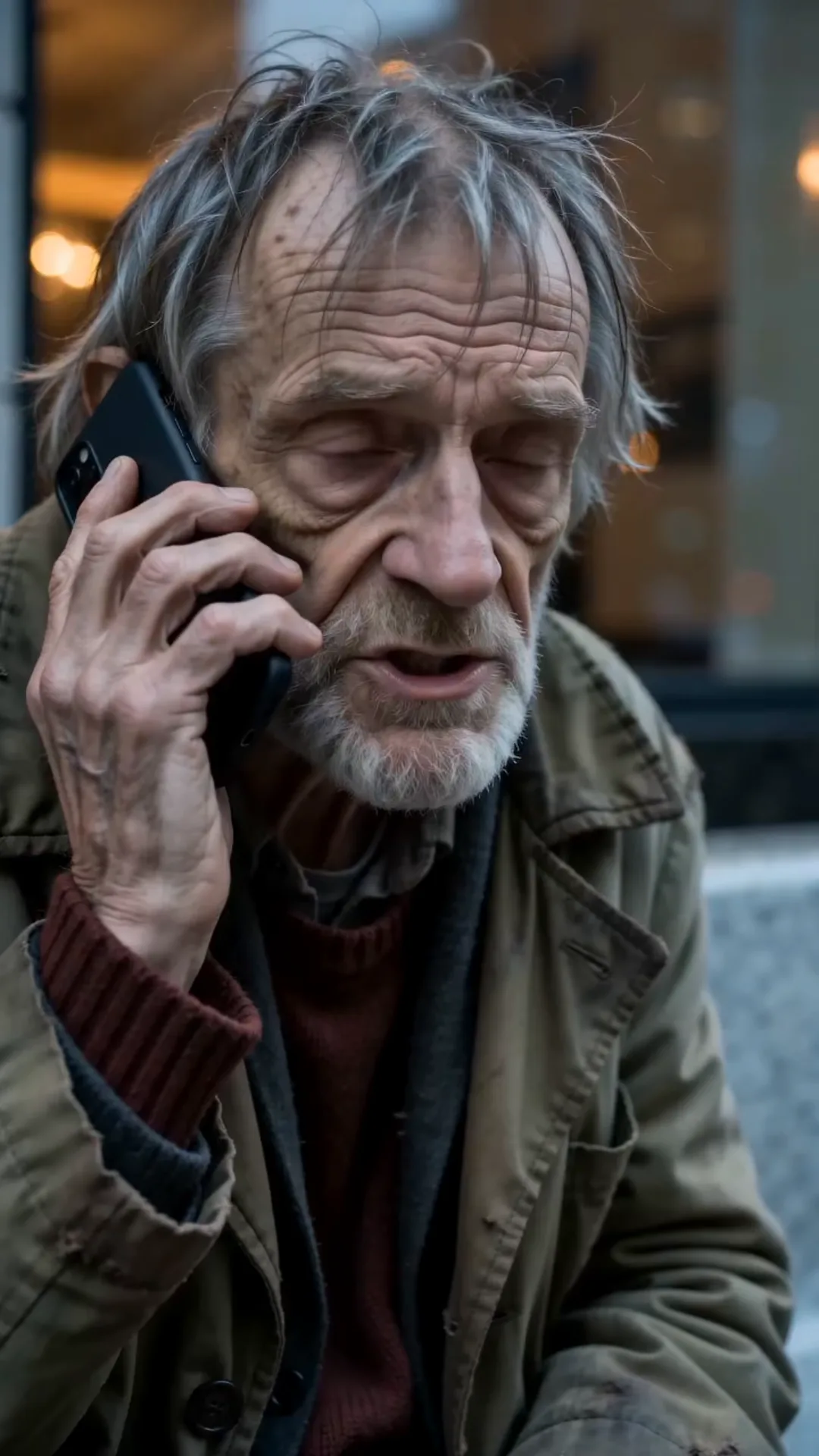
This time wearing the same olive coat.
Noah saw him through the glass.
He walked outside.
Harold sat on the same bench.
No tray.
No performance.
Noah crossed his arms.
“You hungry?”
Harold smiled.
“I ate.”
“Good.”
“Are you still mad?”
“Yes.”
Harold nodded.
“Good.”
Noah frowned.
“Why do old people keep saying that?”
“Because forgiveness is cheaper when young people rush it.”
Noah sat beside him.
They watched cars.