Three years after the rainy night, Noah became assistant front-office manager at another Bennett property in Cambridge.
Not because of Harold.
At least not directly.
He applied.
Interviewed.
Got the job.
On his first week, an employee named Jasmine approached him.
Twenty years old.
Front desk.
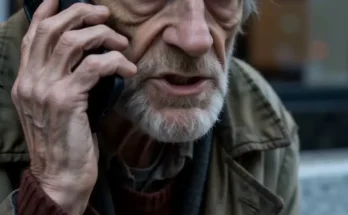
“There’s a guy in the lobby.”
“What about him?”
“He says he needs to charge his phone.”
“So?”
“Security wants him out.”
“Why?”
“He’s not a guest.”
Noah stood.
“Is he bothering anyone?”
“No.”
“Then let him charge it.”
Jasmine hesitated.
“That’s allowed?”
Noah smiled.
“It is now.”
She nodded.
Then Noah added:
“And next time, if you think the decent thing and the rule are fighting, ask before assuming the rule wins.”
Jasmine smiled.
“Okay.”
“Unless the decent thing is giving away the hotel.”
“Got it.”
Harold heard that story and laughed for a full minute.
Years continued.
Eleanor became a more deliberate CEO.
She created an independent employee council.
Not because her father demanded it.
Because she realized executive reports filtered too much.
She also changed one piece of governance Harold resisted at first.
The Bennett family trust would no longer guarantee automatic board seats for descendants.
Harold looked offended.
“You’re removing us?”
“Yes.”
“This is my company.”
“You’re the one who said systems shouldn’t depend on good powerful people.”
Harold stared.
Eleanor smiled.
“Congratulations. I listened.”
He laughed.
The change passed.
Bennett Hospitality remained family-influenced but not family-controlled.
Harold called it:
“Losing an argument correctly.”
At seventy-nine, Harold’s health slowed him.
Heart issues.
Nothing dramatic at first.
He walked less.
Used a cane occasionally.
Noah visited him in his house outside Boston.
Not a mansion.
Large, comfortable, but surprisingly normal.
Harold’s kitchen was terrible.
Noah opened the refrigerator.
“You have mustard, half an onion, and six kinds of yogurt.”
“I eat out.”
“You own restaurants.”
“Exactly.”
One evening, Harold gave Noah an envelope.
Noah looked suspicious.
“If this is money—”
“It isn’t.”
“Property?”
“No.”
“A yacht?”
“I hate boats.”
Noah opened it.
Inside was Daniel Carter’s original 2006 memo.
Not a copy.
Harold had obtained permission from Susan.
Noah stared at his father’s signature.
“I thought Mom had this.”
“She said you should.”
Noah read the final line again.
IF WE ONLY DO THE RIGHT THING WHEN WE KNOW WHO SOMEONE IS, THEN WE AREN’T DOING THE RIGHT THING. WE’RE DOING CUSTOMER SERVICE.
Noah laughed softly.
“Dad really hated corporate language.”
Harold smiled.
“He was good at it when angry.”
Noah folded the paper.
“Thanks.”
Harold looked at him.
“I spent a long time wishing Daniel had forgiven me.”
Noah stayed quiet.
“Your mother says he probably did.”
“Probably.”
“But that’s not the same as fixing it.”
“No.”
Harold nodded.
“I finally understand that.”
A year later, Harold died peacefully.
Eighty.
His daughter with him.
No grand final speech.
No dramatic last words.
According to Eleanor, his final complaint was that hospital coffee tasted “financially irresponsible.”
Noah laughed when she told him.