Noah shook his head.
“Yeah.”
Collins continued:
“Makes it sound like kindness paid off.”
“Exactly.”
“What do you tell them?”
Noah thought.
Then answered:
“If Harold had actually been homeless, I still should’ve been allowed to give him dinner.”
Collins nodded.
“That’s what I tell them too.”
Noah looked at him, surprised.
“Look at you.”
“Don’t ruin it.”
They laughed.
Inside, the old man held a cup of coffee.
Nobody stared.
Nobody asked whether he had served in the military.
Nobody asked whether he owned stock.
Nobody wondered if his daughter ran the hotel.
His importance was irrelevant.
That was the point.
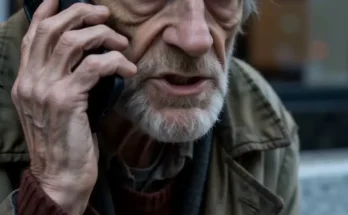
Years earlier, Harold Bennett had pulled out a phone and changed the balance of power in seconds.
It was dramatic.
Satisfying.
A strict manager froze.
A fired waiter suddenly mattered.
Executives came downstairs.
But Harold eventually understood that a good institution should never require that kind of reversal.
The person outside should not need a hidden phone.
The worker helping him should not need a wealthy protector.
Dignity should not depend on the possibility that the powerless person is secretly powerful.
Noah looked through the hotel doors one last time.
The old man was warm.
The waiter was working.
Collins was still manager.
The system had done what it was supposed to do.
Quietly.
No hero required.
And somewhere in that ordinary moment was the thing Daniel Carter had tried to explain twenty years earlier:
The measure of kindness is not how we treat someone after we discover who they are.
It is how we treat them when we believe they are nobody.