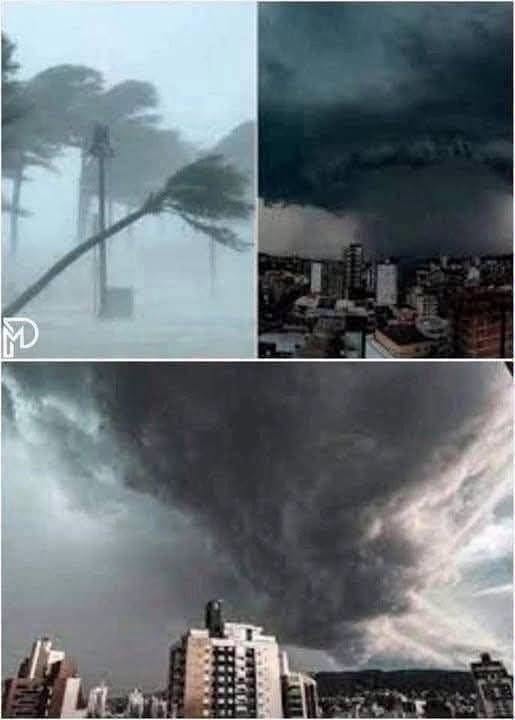
“Urgent 3! Extremely dangerous storm just rolled over in B…” — the alert reads like a siren in text form.
According to the viral post now spreading online, a powerful storm has just struck, and officials are urging people to take it seriously.
The truncated caption cuts off mid-word, leaving readers desperate for the one detail that matters most: where.
Storm posts like this travel fast because they tap into everyone’s deepest weather fear — that it could be heading for them.
The post describes the system as “extremely dangerous,” language usually reserved for the most severe warnings.
Readers in the comments are posting their own skies: dark clouds here, strange calm there, rain hammering windows somewhere else.
The post describes the system as “extremely dangerous,” language usually reserved for the most severe warnings.
Some claim the storm has already knocked out power across wide areas.
Others share videos of bending trees and flooded streets — though none of the footage is verified.
That is the problem with viral storm alerts: the fear is real, but the facts are often borrowed from somewhere else.
Meteorologists urge everyone to check official weather services rather than trusting a truncated caption.
A real warning will always name the counties, the timing, and the expected hazards — this post names almost none of that.
Still, the core advice holds no matter where you are: when skies turn threatening, take shelter seriously.
Charge your phone now, secure loose outdoor items, and know where your safe room is.
If you are driving when a severe storm hits, never try to outrun it — pull over safely and wait it out.
Flash flooding kills more people than wind in most storm events, and it takes only inches of moving water.
The viral post’s urgency may be overblown — or it may be the early signal of something genuinely dangerous.
That uncertainty is exactly why official alerts exist: to replace panic with a plan.
Share the post if you want — but pair it with guidance from your local weather service, not just fear.
So check the radar, check on your neighbors, and let the “B…” in that caption be a reminder: the next alert with your town’s name on it is the one you cannot afford to scroll past.