WASHINGTON — August 14, 2026 — The Trump administration is launching a major new effort to crack down on what it says is widespread evasion of U.S. tariffs, accusing more than 40 countries of helping Chinese goods reach American markets while avoiding the duties imposed by Washington.
A new White House report estimates that the United States could be losing between $19 billion and $26 billion every year in tariff revenue because goods are allegedly being rerouted through third countries.
The administration has described the practice as a major threat to its trade strategy.
What Is Allegedly Happening?
The issue centers on a practice known as transshipment.
Under the alleged scheme, Chinese-made products can be sent through another country before being exported to the United States.
The White House says some companies are using relatively minor processing, relabeling, repackaging or changes to shipping documentation to make Chinese goods appear to have originated somewhere else.
If the goods are incorrectly declared, importers could potentially avoid tariffs that would otherwise apply.
More Than 40 Countries Identified
The White House says more than 40 countries have been identified as potential parts of the network.
The countries mentioned include major U.S. trading partners as well as nations in Asia and elsewhere.
The administration says Chinese exporters have been taking advantage of differences in tariff rates and customs systems between countries to move products into the American market while reducing their tariff burden.
Officials estimate that as much as $303 billion in Chinese goods could potentially be involved in transshipment, although the White House’s estimated tariff-revenue loss is substantially lower.
Trump Administration Plans Tougher Enforcement
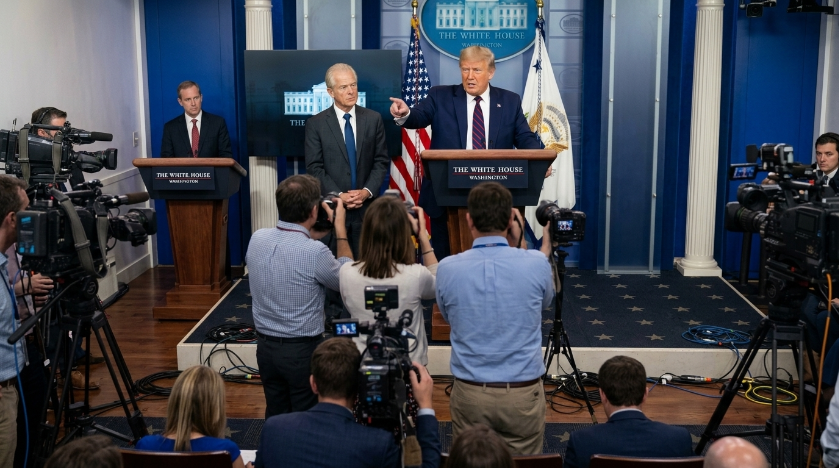
Trade adviser Peter Navarro has emerged as one of the administration’s leading voices on the issue.
The White House says it plans to strengthen enforcement of country-of-origin rules and use new technology to identify suspicious shipments.
One proposed tool, reportedly called “Detective Border,” would use artificial intelligence to analyze trade and shipping data and identify inconsistencies that could indicate tariff evasion.
The administration believes technology could help customs officials identify suspicious shipments much faster than traditional methods.
Why Americans Should Care
For American consumers, the biggest question is what the crackdown could mean for prices.
Tariffs can raise the cost of imported products, while stronger enforcement could increase costs for companies that rely on foreign supply chains.
Businesses may respond by finding alternative suppliers, moving production or passing additional costs on to consumers.
At the same time, supporters of Trump’s tariff strategy argue that stronger enforcement could protect American manufacturers from unfair competition and encourage companies to produce more goods domestically.
China Remains at the Center
The latest announcement is another sign that the Trump administration continues to view China’s manufacturing and trade practices as a major economic challenge.
Washington has argued that Chinese companies benefit from state support and have found ways to avoid American trade restrictions.
Beijing has repeatedly rejected accusations that its trade practices violate international rules.
The dispute comes as the United States and China attempt to manage their broader economic relationship while avoiding another major escalation in the trade conflict.
A New Battle Over Tariffs
The administration’s latest move also comes after a major legal battle over Trump’s tariff policies.
A U.S. trade court recently upheld Trump’s authority to suspend the longstanding “de minimis” exemption for certain low-value imports, a policy that affects inexpensive shipments entering the United States.
That decision gives the administration another tool as it attempts to prevent low-value imports from escaping duties.
What Happens Next?
The Trump administration is expected to increase scrutiny of shipments coming from countries identified as potential transshipment hubs.
Companies could face additional investigations if U.S. officials believe products are being deliberately mislabeled or rerouted to avoid tariffs.
For American consumers, the impact could ultimately come down to prices.
If the crackdown succeeds in forcing more companies to follow U.S. tariff rules, the administration could collect billions more in revenue and potentially give American manufacturers greater protection.
But if businesses pass higher import costs along to consumers, Americans could see higher prices on some products.
Trump has made tariffs a central part of his economic agenda. Now his administration is taking aim at the global network it says has been helping companies get around them.