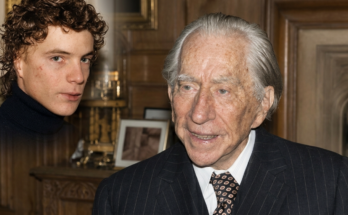
Arthur T. Demoulas, known to everyone as “Artie T.,” was the kind of CEO who knew his employees by name. All of them. He attended their weddings, visited them in the hospital, and showed up to their family funerals. He paid some of the highest wages in the grocery industry, offered generous profit-sharing bonuses, and kept prices low enough that working-class families could actually afford to shop there.
Market Basket, the New England grocery chain his family had built over decades, was beloved by both its workers and its customers. Artie T. was the reason why.
Then, in June 2014, the company’s board of directors fired him.
The move was the result of a long and bitter feud within the Demoulas family, with Artie T.’s cousin Arthur S. holding enough board votes to push him out. The board’s stated goal was to extract more profit from the company. To the 25,000 employees who showed up every day because of Artie T., that was all they needed to hear.
They walked out.
Workers didn’t just stage a traditional strike. They emptied shelves across all 71 stores, refused to stock deliveries, and urged customers to shop elsewhere. The warehouse workers who kept the supply chain running joined them. The stores, normally bustling with shoppers, stood nearly empty. Within six weeks, sales had dropped by 95%.
The board threatened to fire every protesting employee. Nobody went back.
Politicians, customers, and labor experts watched in astonishment. It was, as one marketing professor put it, the exact opposite of what you usually see. The employees and customers saw themselves as the company. The board was the outsider.
After six weeks of standoff, the board caved. Arthur T. Demoulas bought out his cousin’s shares for $1.5 billion and took ownership of the company he had built his career around.
Every single employee who walked out kept their job.
The CEO Was Fired, So 25,000 Employees Walked Out — And the Board Had to Give In