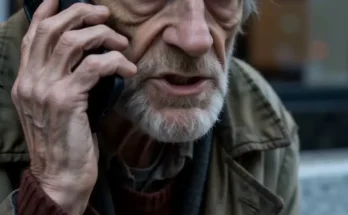
Mrs. Allen died at eighty-nine.
Neighbor Grandma.
The woman who sent the videos.
At her memorial, Lily spoke.
“When adults ask why children don’t tell, we must also ask why adults don’t look. Mrs. Allen looked. Then she acted. Late, yes. But she acted. That action helped save me.”
Mrs. Allen’s son cried.
So did I.
We placed the backup sky blanket in Lily’s office afterward, with a small tag:
Given by someone who finally looked.
Not perfect.
Human.
Important.
David retired and became Mateo’s favorite person because he allowed too much ice cream.
Rebecca became the steady grandmother who remembered school forms and made the best soup.
Our family became ordinary in ways I once thought impossible.
Arguments about homework.
Lost shoes.
Burned toast.
Movie nights.
Mateo’s first school dance.
Lily’s clinic fundraisers.
Rebecca’s garden disasters.
I loved ordinary.
Ordinary was holy.
At seventy, I sold the house.
That surprised everyone.
Even me.
Lily asked if it hurt.
“Yes.”
“Then why?”
“Because the house did its job.”
The basement had become an art room.
The yellow bedroom had become Mateo’s playroom when they visited.
The porch had held birthdays, graduations, and apologies.
It was no longer the place where I found Lily’s blanket.
It was a chapter.
Not a prison.
A young family bought it.
Before closing, I walked through alone.
Pink room turned yellow.
Basement bright.
Stairs no longer terrible.
I stood at the bottom near the washing machine.
Then I said, “You don’t get the ending.”
To Vanessa.
To guilt.
To the cold floor.
To all of it.
Then I walked upstairs.
Lily waited at the front door.
“Ready?”
“Yes.”
We kept the basement light fixture.
The one I installed after the trial.
Lily put it in the Yellow Room Center’s training room.
A reminder.
Light can be added.