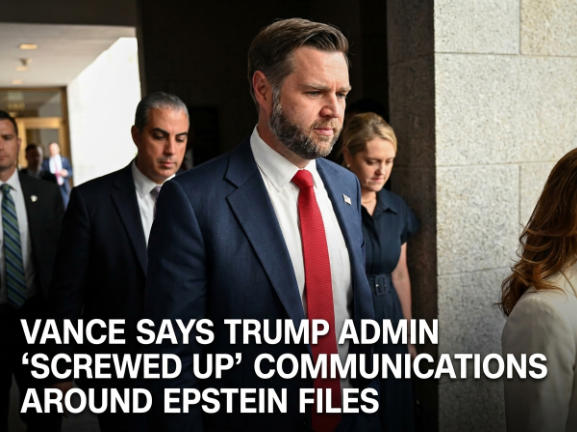
 One of the Trump administration’s most controversial decisions is once again drawing attention after a senior White House official publicly acknowledged that mistakes were made.
The comments offer one of the clearest admissions yet that the administration’s handling of a politically charged issue failed to meet expectations, even as officials continue to reject accusations of a cover-up.
Vice President JD Vance acknowledged during an interview with Joe Rogan that the Trump administration mishandled its rollout of the Jeffrey Epstein files, saying the problem was not an effort to conceal information but rather a failure in how the material was communicated to the public.
“If people want to say we mishandled the Epstein release, guilty,” Vance said during the podcast released Wednesday.
“We did mishandle it especially the communications of it,” Vance continued. “We absolutely screwed up the comms of the Epstein files.”
Vance’s remarks represent one of the administration’s most direct public acknowledgments that the release generated widespread criticism, particularly after the Justice Department’s initial document release in early 2025 failed to meet expectations raised by administration officials.
At the time, then-Attorney General Pam Bondi described the document release as evidence of the administration’s commitment to transparency.
However, many observers noted that much of the material had already been publicly available through previous court filings and investigations.
Critics also questioned why numerous names remained redacted.
Justice Department officials responded that many redactions were necessary to protect victims of Epstein’s abuse and comply with court-ordered privacy obligations.
President Donald Trump dismissed Bondi from her position in April 2026.
During the Rogan interview, Vance rejected suggestions that the administration intentionally withheld information related to Epstein.
“Do I think the reason we screwed up the comms was that we were trying to hide something? No,” Vance said.
Instead, he suggested Bondi was responding to intense political pressure surrounding the case.
“Pam was trying to respond to the political moment,” he said.
Reports published before the interview indicated Vance and other senior White House officials disagreed privately over how aggressively additional Epstein-related materials should be released.
According to The New York Times, Vance favored broader public disclosure in an effort to get ahead of the controversy, while White House Chief of Staff Susie Wiles supported a more cautious approach.
The newspaper also reported that internal disagreements extended to whether certain unverified and uncorroborated allegations should be released publicly.
Neither Vance nor Wiles has publicly confirmed those reported private conversations.
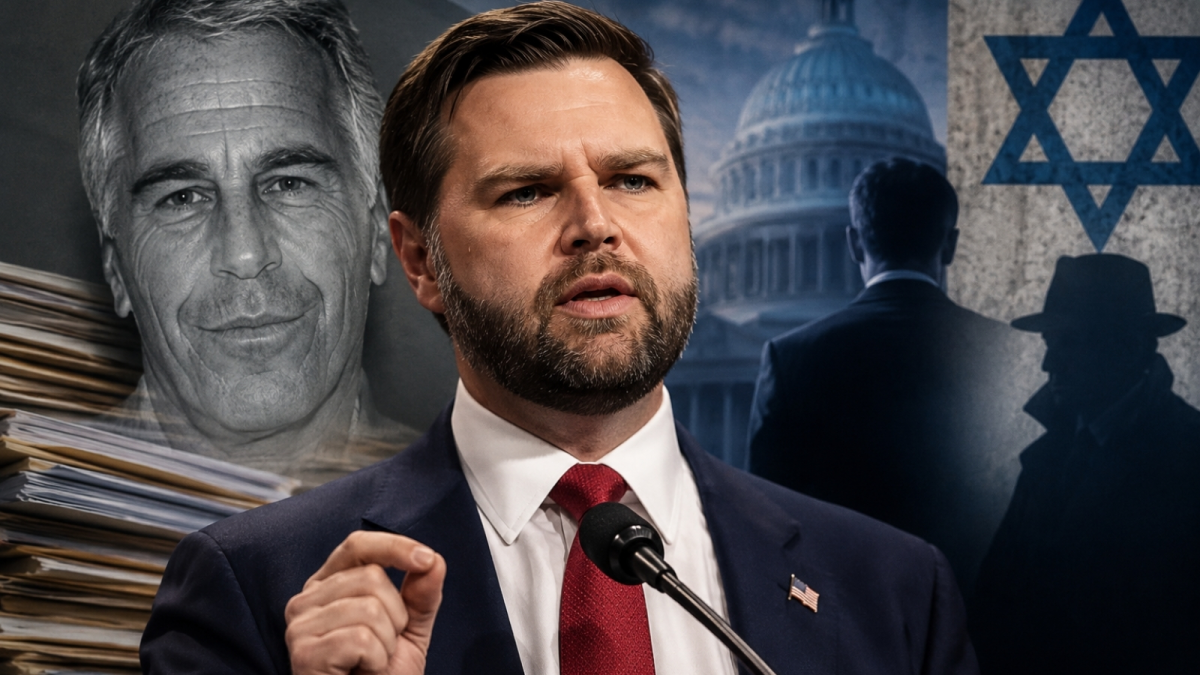
During the podcast, Rogan questioned why some individuals whose names remained redacted did not appear to be victims.
Vance responded that the distinction was not always straightforward.
“Some of the people who were alleged victims were also alleged co-conspirators,” he said.
“It’s sometimes hard to draw a distinction.”
Jeffrey Epstein died in federal custody in 2019 while awaiting trial on federal sex trafficking charges.
His death was ruled a suicide by the New York City medical examiner, although that conclusion has continued to generate public skepticism and numerous conspiracy theories.
Federal officials have consistently maintained that Epstein died by suicide.
His associations with wealthy and influential individuals from politics, business and entertainment have fueled years of public interest and repeated calls for additional records to be released.
Vance’s comments are unlikely to end that debate.
Instead, they provide the clearest indication yet that at least some senior administration officials believe the controversy surrounding the Epstein files stemmed less from the documents themselves than from the way the administration presented them to the public.
While Vance conceded the rollout was mishandled, he maintained that the mistakes were rooted in communication—not an effort to conceal evidence—leaving the broader debate over the Epstein files likely to continue.