WASHINGTON — August 14, 2026 — The Trump administration is putting the cost of oil and gasoline at the center of its strategy toward Iran, as disruptions around the Strait of Hormuz continue to threaten global energy supplies.
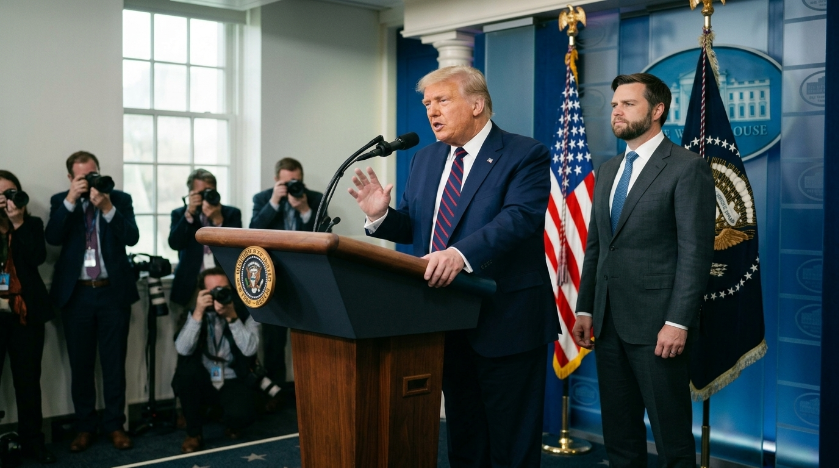
Vice President JD Vance said keeping oil and gasoline prices affordable for Americans is now the administration’s top priority in the conflict. Preventing Iran from obtaining a nuclear weapon was described as the second priority.
The comments come as the prolonged U.S.-Iran confrontation continues to affect energy markets and put additional pressure on American consumers.
Gas Prices Become a Major Concern
The conflict’s impact is increasingly being felt away from the battlefield.
Gasoline prices have climbed sharply during the conflict, with the national average recently moving above $4 per gallon, putting additional pressure on drivers and household budgets.
That makes the price of oil one of the most politically sensitive consequences of the confrontation for Americans.
For millions of drivers, the question is no longer simply what happens between Washington and Tehran. It is also how much they will have to pay at the pump.
Vance Puts Oil Ahead of the Nuclear Issue
Vance’s comments represent a notable emphasis in the administration’s public messaging.
He said the administration’s first goal is to keep oil and gasoline prices low for Americans, followed by ensuring that Iran does not acquire a nuclear weapon.
The shift in emphasis comes as Trump faces growing pressure over the economic consequences of the conflict.
Strait of Hormuz Remains the Key Pressure Point
The Strait of Hormuz is at the heart of the energy crisis.
The narrow waterway is a critical route for international oil shipments, and shipping activity has fallen sharply amid the confrontation between the United States and Iran.
Reuters reported Friday that commodity-vessel traffic through the strait remained below the normal August average, with both Washington and Tehran making competing claims over control of the waterway.
The situation became even more tense after two UAE-operated oil tankers were attacked while transiting the strait. The UAE blamed Iran for the attacks, while no casualties were reported.
Washington Threatens More Pressure on Iran
The Trump administration is not backing away from pressure on Tehran.
Defense Secretary Pete Hegseth has said the United States can maintain its naval blockade of Iranian ports indefinitely, while Treasury Secretary Scott Bessent has promised additional economic measures against Iran.
The administration is therefore attempting to combine military pressure, economic sanctions and diplomatic efforts while also trying to prevent the energy crisis from becoming even more damaging for American consumers.
Why Americans Are Watching Closely
The biggest concern for many Americans is simple: What happens to the price of gas?
Higher oil prices can affect far more than gasoline. Transportation costs, airline tickets, shipping expenses and the prices of goods can all be influenced by energy costs.
That means the longer the disruption continues, the greater the potential economic consequences.
The issue could also become increasingly important politically as the 2026 midterm elections approach.
What Happens Next?
The administration is now under pressure to achieve two goals at the same time: maintain pressure on Iran while preventing the conflict from pushing energy prices even higher.
The situation around the Strait of Hormuz will be critical.
If shipping conditions improve and more oil reaches global markets, prices could come under pressure. But continued attacks, a prolonged blockade or further escalation could create additional uncertainty and put more pressure on energy supplies.
For Trump, the challenge is increasingly being measured not only in military or diplomatic terms, but at America’s gas stations.
And with the administration now openly putting lower oil prices at the top of its list of priorities, Americans will be watching closely to see whether the strategy actually brings relief at the pump.