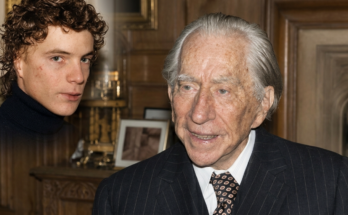
On April 25, 1978, three people were shot and killed at a home in Kansas City, Missouri. Kevin Strickland was 18 years old and says he was at home watching television when it happened.
Police disagreed. The sole surviving witness, Cynthia Douglas, identified Strickland as one of four men who carried out the shooting. He was convicted in 1979 by an all-white jury, with no physical evidence linking him to the crime, on the strength of Douglas’s testimony alone.
He maintained his innocence from day one. So did the facts.
Two of the other men convicted of the murders told investigators that Strickland was not involved and named two other men as the actual participants. And Douglas herself later recanted, saying she had been pressured by police to identify Strickland and had spent years trying to alert anyone who would listen that she had named the wrong man. She died in 2015, still trying to correct the record.
It took until 2021 for the system to catch up.
Jackson County Prosecutor Jean Peters Baker filed a motion under a newly enacted Missouri law allowing prosecutors to seek the release of prisoners they believed to be innocent. After a three-day evidentiary hearing, retired judge James Welsh ordered Strickland’s immediate release.
He had been in prison for 43 years and four months, the longest confirmed wrongful conviction in Missouri history.
Then came the final insult. Under Missouri law, compensation for wrongful imprisonment is only available to those exonerated through DNA testing. Strickland’s case involved no DNA evidence. So despite spending more than four decades in prison for a crime he didn’t commit, he received nothing from the state.
A GoFundMe set up by the Midwest Innocence Project raised money to help him restart his life at 62.
He Spent 43 Years in Prison for a Crime He Didn’t Commit—And Received No Compensation