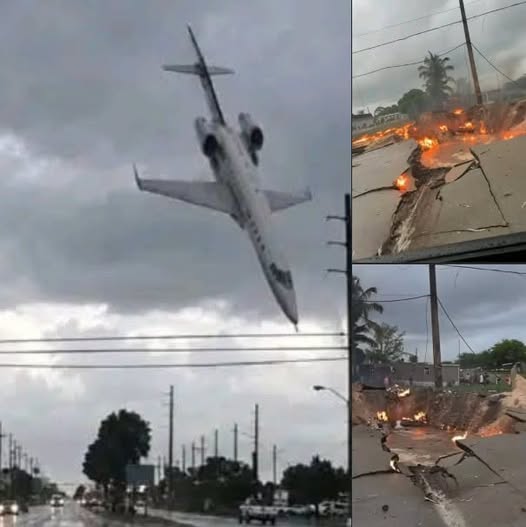
At least nine people have been confirmed dead after a private jet crashed into a residential neighbourhood in Palm Beach County, Florida, near US President Donald Trump’s Mar-a-Lago resort. The aircraft, identified as a Learjet 60, went down on Sunday, November 1, 2026, in the Cresthaven area, approximately 11 kilometres from Trump’s Florida residence. According to US Transportation Secretary Sean Duffy, all nine people aboard the aircraft lost their lives in the devastating crash.
The private jet reportedly departed from Austin, Texas, and was travelling towards the Bahamas when the incident occurred. Emergency services were quickly dispatched to the scene as authorities worked to secure the crash site and assess the damage. Florida Governor Ron DeSantis described the incident as a major tragedy, while confirming that there were no immediate reports of deaths or injuries among residents on the ground.
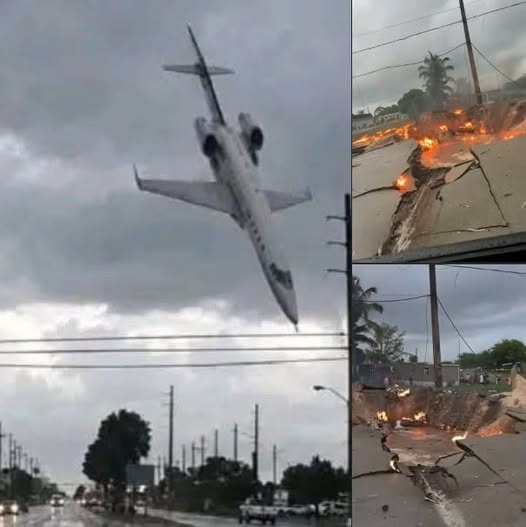
As a precaution, authorities reportedly evacuated approximately 600 residents from a nearby mobile home community while emergency crews responded to the situation. The crash caused significant concern throughout the surrounding neighbourhood, with officials working to ensure public safety and prevent residents from entering the affected area. Despite the scale of the incident, initial reports indicated that the casualties were limited to those aboard the aircraft.
The Federal Aviation Administration (FAA) and the National Transportation Safety Board (NTSB) have launched investigations to determine what caused the aircraft to crash. Early reports suggest the jet may have encountered severe weather conditions, including storms, turbulence and possible icing, before the incident. However, investigators have not yet confirmed whether these factors contributed to the crash, and the exact circumstances remain under investigation.
The location near Mar-a-Lago forms part of the description of the crash site; it does not establish that the aircraft had any connection to Trump or the resort. The route described in the report was from Austin toward the Bahamas. No connection between the passengers and the nearby residence is established in the supplied account.
Two separate questions emerge from the response: what happened to the people aboard, and how the surrounding neighborhood was protected. The report attributes the loss of all nine occupants to Transportation Secretary Sean Duffy. It separately describes precautionary evacuations and says no injuries on the ground had initially been reported. An evacuation is a protective action and should not be confused with a report of additional casualties.
The weather references also require careful reading. Storms, turbulence, and possible icing are described as conditions investigators may examine. Their presence in an early report does not establish a final explanation for the accident. Determining a cause requires reconstructing the flight and assessing the available evidence rather than choosing the most striking detail from the first accounts.
For residents, the immediate concern was the emergency unfolding near their homes. Securing the crash site and moving people away from danger allowed responders to work while limiting further exposure. For the families of those aboard, the central fact was far more personal: a journey toward the Bahamas had ended in the loss of nine lives. The investigation described in the report remained the process for answering how that happened.