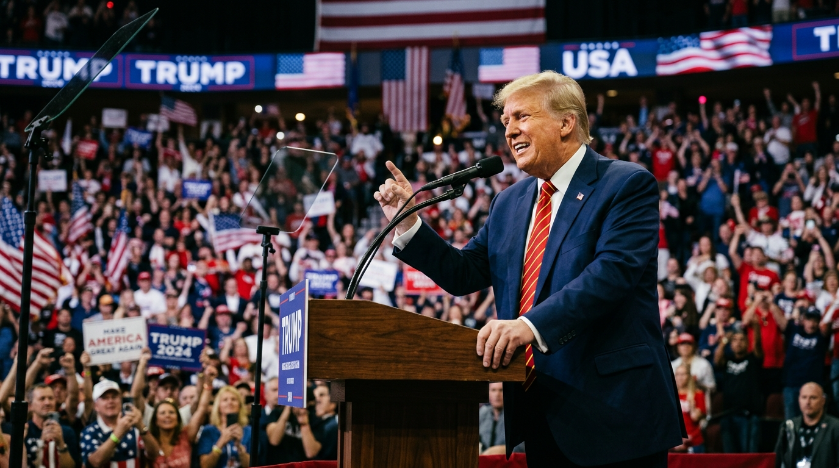
WASHINGTON — August 13, 2026 — The race for control of Congress is moving into a critical stage as the 2026 midterm elections approach, setting up a major political battle that could shape the remainder of President Donald Trump’s second term.
Voters will decide all 435 seats in the U.S. House of Representatives and 35 seats in the U.S. Senate during the November elections.
With control of Congress at stake, both parties are preparing for an intense campaign season.
Why These Elections Matter
Midterm elections can dramatically change the political balance in Washington.
If the president’s party maintains control of Congress, the White House generally has a greater opportunity to advance its legislative agenda.
If the opposition party takes control of one or both chambers, the administration could face significantly greater resistance.
That makes the 2026 elections particularly important for Trump as he attempts to advance the priorities of his second term.
The House Battle
All 435 House seats will be contested in November.
Because every district is on the ballot, relatively small changes in voter turnout and political preferences can have a major impact on the overall balance of power.
Republicans will be defending their seats while Democrats seek opportunities to gain ground in competitive districts.
Campaign spending, turnout and voter sentiment on major national issues are expected to play important roles.
The Senate Is Also at Stake
The Senate will see 35 seats contested.
Senate races can be particularly consequential because the chamber plays a major role in confirming presidential nominees and approving legislation.
Competitive Senate contests are expected to attract significant national attention and campaign spending as both parties attempt to strengthen their position.
Trump Remains Central to the Political Fight
Although the elections are congressional contests, Trump is likely to remain one of the most important figures in the national political debate.
Republicans are expected to emphasize his administration’s accomplishments and agenda as they campaign for voters.
Democrats, meanwhile, are likely to focus heavily on opposition to Trump’s policies and attempt to turn the midterms into a referendum on the direction of the country.
That dynamic could make the elections highly nationalized rather than purely focused on local congressional issues.
Key Issues for Voters
The economy, inflation, immigration, national security, healthcare and foreign policy are expected to remain important issues during the campaign.
Energy prices and the country’s role in international conflicts could also influence voter sentiment.
Individual candidates will additionally focus on local issues that could determine races in closely divided districts and states.
The Battle Is Just Beginning
Although the election is still ahead, both parties are already working to identify competitive districts, recruit candidates and mobilize supporters.
Fundraising and campaign organization will become increasingly important as Election Day approaches.
The political environment could also change rapidly if major events occur during the final months of the campaign.
What Happens Next?
The November elections will determine whether Trump enters the final stretch of his second term with a Congress more closely aligned with his agenda or one prepared to challenge it.
The outcome could influence everything from legislation and government funding to oversight investigations and presidential appointments.
With every House seat and 35 Senate seats on the ballot, the stakes are enormous.
For voters, the question is becoming increasingly clear: Will Washington remain under Republican control, or will Democrats seize the opportunity to change the balance of power?
The answer will come when Americans head to the polls in November.