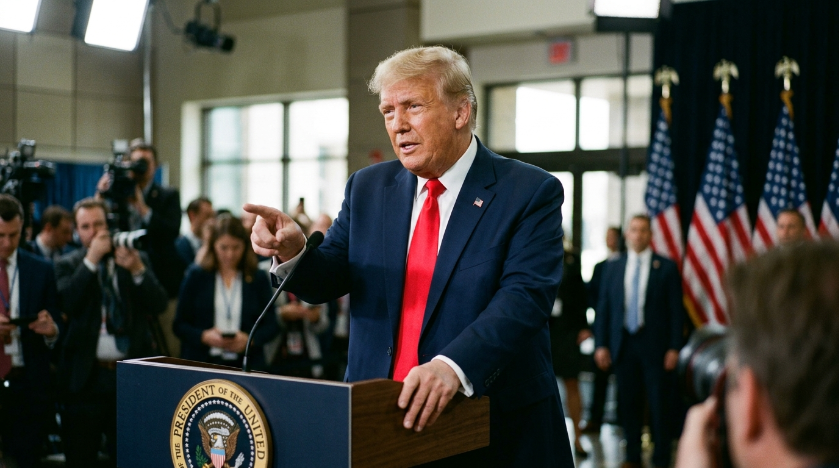
WASHINGTON — August 13, 2026 — The Trump administration is moving forward with an ambitious series of construction and renovation projects at the White House, with the combined cost of planned work reportedly approaching $1 billion.
The scale of the plans has attracted widespread attention because the projects go far beyond routine repairs. The administration is considering major additions and upgrades around the White House complex, including a large new ballroom, a visitor screening center, a helipad and other infrastructure improvements.
Reports have placed the estimated cost of the broader construction effort at roughly $900 million or more.
A Major Expansion of the White House
The centerpiece of the plans is a proposed new ballroom that would provide the White House with a significantly larger space for major events.
The administration has also identified other projects intended to improve security, visitor access and infrastructure around the presidential complex.
The proposed changes could substantially alter portions of the White House grounds while adding facilities designed to accommodate the modern demands of the presidency.
Why Is the Project So Expensive?
The nearly $1 billion price tag is one of the biggest reasons the plans have attracted attention.
The administration has described the construction and modernization effort as an investment in the White House complex and its long-term infrastructure.
The White House is an historic federal facility, and maintaining its buildings, security systems and supporting infrastructure can require significant investment.
However, the size of the proposed spending means the projects are likely to face questions about costs, funding and oversight.
How Could the Projects Be Funded?
Reports indicate that the administration is considering multiple sources of funding for the construction effort.
Those sources could include federal-agency transfers as well as private donations.
The funding structure is expected to remain an important part of the debate as additional details about the individual projects become available.
Questions surrounding who will pay for each project and how the spending will be monitored could receive increasing attention as construction moves forward.
Trump’s Vision for the White House
The proposed expansion fits into Trump’s broader approach to the presidential complex during his second term.
Trump has frequently emphasized large-scale construction, modernization and improvements to government facilities.
A new ballroom and other upgrades would give the White House additional space for large gatherings while potentially reducing the need to hold certain presidential events at outside locations.
The administration has also argued that modern facilities are necessary to meet the security and operational requirements of the presidency.
Why the Timing Matters
The plans come as Trump enters another politically important period, with the 2026 midterm elections approaching.
Major spending projects connected to the White House could become part of broader political debates over government spending and presidential priorities.
Supporters are likely to argue that improving a historic presidential complex is a worthwhile long-term investment.
Critics may question whether projects approaching $1 billion should be prioritized and whether private donations and federal resources should be used for the planned work.
What Happens Next?
The administration is expected to continue developing the construction plans, including financing arrangements, project details and construction schedules.
More information about the individual projects could provide a clearer picture of the final cost and the extent of the proposed changes.
For now, the biggest unanswered question is whether the reported price tag will remain near the current estimate or grow as additional projects and expenses are included.
With the overall plan approaching $1 billion, Trump’s White House construction push is likely to remain a closely watched political and financial story as the administration moves ahead.